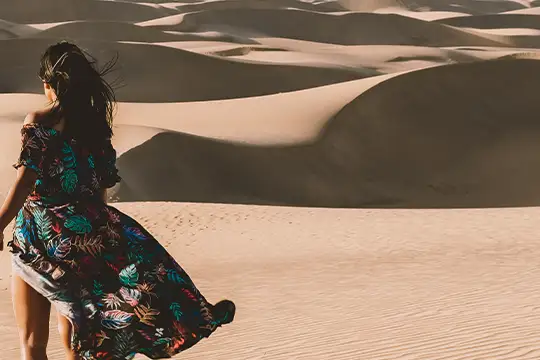
Home » Canary Islands » Gran Canaria
Gran Canaria:
the island of a thousand souls between sea, nature and culture
Gran Canaria is one of the most captivating Canary Islands, known for its extraordinary diversity of landscapes and atmospheres. Golden beaches, spectacular dunes, green mountains, traditional villages, and a vibrant cultural life coexist in a single territory. Thanks to its mild year-round climate, Gran Canaria is an ideal destination for relaxing, active, or cultural holidays, suitable for all types of travelers.
Gran Canaria… the hottest island…
Vacation in Gran Canaria: Everything you need to know for your trip
Gran Canaria is an ideal destination for those who want to organize a holiday in Canary Islands Complete and well-structured. Whether you're planning a relaxing beach trip, an active vacation exploring nature and hiking, or a city break, the island offers services, connections, and attractions to suit every need.
Thanks to the excellent tourist infrastructure and frequent connections with Italy, organizing a trip to Gran Canaria is simple and convenient at any time of year.
Organize your trip to Gran Canaria

Travel and holidays
agency offers and support

Where to stay
hotels and apartments
Excursions
unmissable experiences and activities

Flights
connections from Italy

Car rental in Gran Canaria
move freely
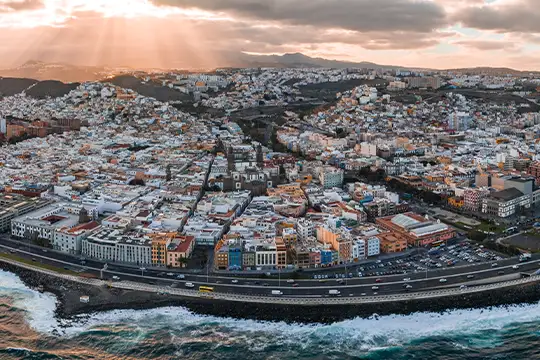
Las Palmas de Gran Canaria
what to see in the island's capital
Not everyone knows that the island of Gran Canaria is not only one of the most visited islands in the Canaries, but also one of the best connected and most strategic for organizing a holiday or trip to the Canaries.
Where is Gran Canaria located?
Gran Canaria is located in the Atlantic Ocean, off the northwest coast of Africa, and is part of the Canary Islands archipelago, politically belonging to Spain. Its privileged geographical location contributes to the mild and stable climate that makes the island an ideal destination year-round.
Thanks to its central location in the archipelago, Gran Canaria represents an important reference point both from a tourist and logistical point of view, with excellent internal and external connections.
Geographical location of Gran Canaria and connections
L’airport The island's main city, located a short distance from the capital, Las Palmas de Gran Canaria, is easily accessible from Italy with direct or connecting flights. The efficient road network also allows for easy travel between the north, south, and inland areas, making it easy to explore beaches, cities, and natural areas.
Map of Gran Canaria
Consulting the map of Gran Canaria helps you understand the distribution of the main tourist resorts, the most popular coastal areas, the central mountainous area, and the location of the capital, Las Palmas. The map is also a useful tool for planning trips, excursions, and accommodations.
One of Gran Canaria's great strengths is its balanced climate, perfect for traveling in any season without giving up the sun.
Gran Canaria's climate: sunshine and ideal temperatures all year round.
Gran Canaria is known for its stable subtropical climate, with pleasant temperatures year-round. Average temperatures hover around 18°C in the winter months and reach 26°C in the summer, making the island an ideal destination for beach holidays, outdoor activities, and excursions.
Thanks to its location in the Atlantic Ocean and the variety of its terrain, the island offers favorable climatic conditions all year round.
Weather in Gran Canaria: mild climate, sunny days.
Gran Canaria's weather is characterized by numerous hours of sunshine and generally limited rainfall, which is more frequent in the northern areas during the winter. This balanced climate allows for trips and holidays to be planned in any season, without any particular limitations.
Weather in southern Gran Canaria: the driest area of the island
The southern areas of the island, such as Maspalomas, Playa del Inglés, and Puerto Rico, enjoy a drier and more stable climate than the north. Here, the sun shines for much of the year and rainfall is rare, making the south of the island particularly popular with those seeking sea, relaxation, and consistently pleasant temperatures.
Absolutely not to be missed….
Gran Canaria's beaches: from golden dunes to natural coves
Gran Canaria is famous for its diverse beaches, considered among the most beautiful in the Canary Islands. The island offers wide golden sand beaches, ideal for families and relaxation, as well as natural and wild coves, perfect for those seeking pristine waters and evocative views.
Le beaches of Gran Canaria They are concentrated mainly in the southern part of the island, where the climate is drier and sunnier all year round, but there is no shortage of splendid coastlines also in the north and along the western coast.
The most beautiful beaches in Gran Canaria

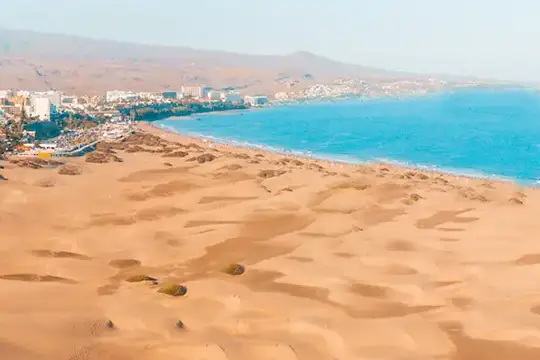
Maspalomas Beach
Iconic for its spectacular dunes, it is one of the most famous beaches in Gran Canaria and a symbol of the island.
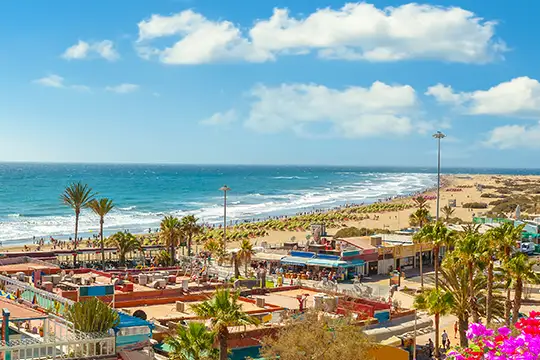
Playa del Inglés
Spacious, lively and full of services, perfect for those seeking sea, fun and comfort.
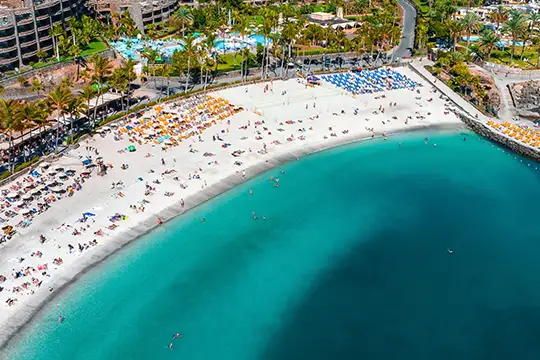
Playa de Amadores
Light sand and calm sea, ideal for families and those who love total relaxation.
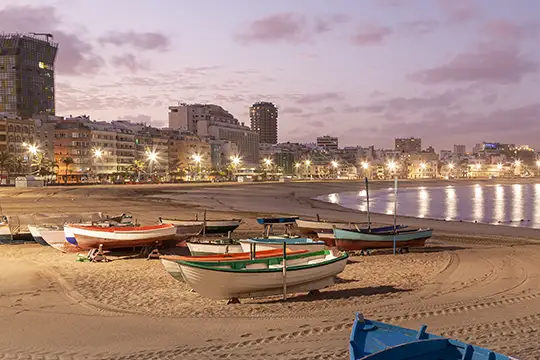
Playa de Las Canteras
The urban beach of Las Palmas, considered one of the best urban beaches in Europe.
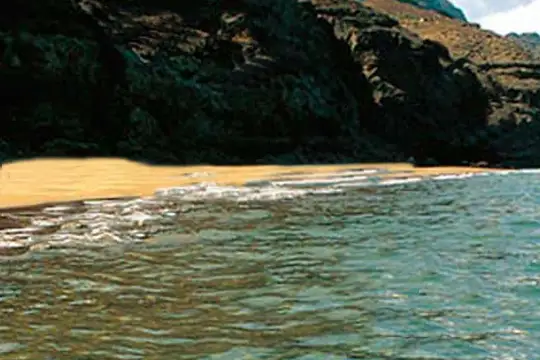
Playa de Güigüi
Wild and unspoiled, reachable only on foot or by boat, perfect for nature lovers.
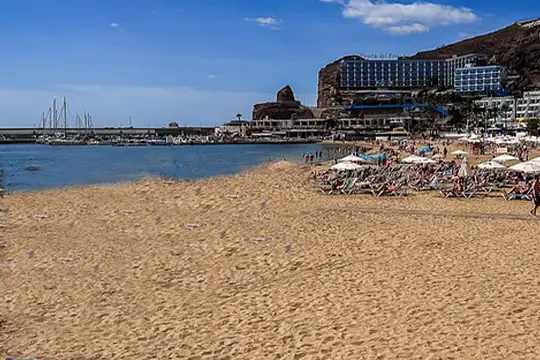
Puerto Rico Beach
Sheltered and sunny, ideal for families and those travelling with children.
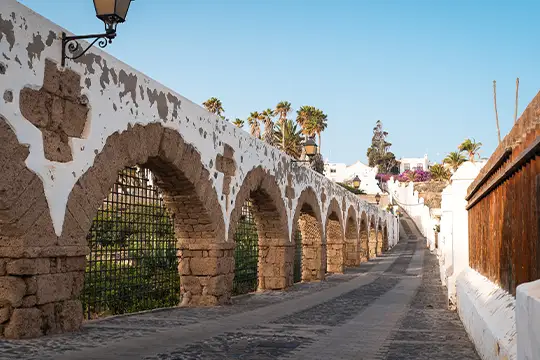
Here you are….
Why choose Gran Canaria for your holiday?
Gran Canaria isn't just sea and sun, it's a dynamic and multicultural island that offers much more than a simple beach holiday. Traditions, fun, inclusiveness, and iconic tourist destinations make the island one of the most complete and sought-after destinations in the Canary Islands.
Why Gran Canaria is a unique destination in the Canary Islands
Cities and towns of Gran Canaria: the true essence of the Canarian Islands.
Beyond the capital, Las Palmas de Gran Canaria, Gran Canaria boasts some of the island's most sought-after and authentic inland destinations. Cities and villages like Telde, Teror, and Tejeda represent the island's historical and cultural heart, boasting traditional architecture, historic plazas, local markets, and a more authentic pace of life.
These locations are ideal for those who want to discover the most authentic Gran Canaria, away from the coastal tourist areas but easily accessible by car.
The Gran Canaria Carnival, especially the one in Las Palmas, is one of the most important events in the Canary Islands, famous for its parades, music, and parties that attract visitors from all over Europe.
Volcanoes of Gran Canaria
Gran Canaria is of volcanic origin and boasts spectacular landscapes linked to its geological history. Places like the Caldera de Bandama allow you to experience the island's volcanic soul up close, among craters, lava flows, and unique panoramas.
Yumbo Centrum and nightlife in Gran Canaria
The Yumbo Centrum in Playa del Inglés is the heart of Gran Canaria's nightlife and is known throughout Europe as one of the main hubs for the LGBTQ+ community. This hub is home to bars, clubs, discos, and nightclubs that bring the island to life every night, especially during international events and festivals.
Gran Canaria is also famous for its Gay Pride, one of the largest and most popular events in the Canary Islands, attracting thousands of visitors from all over Europe every year. During Pride, the Yumbo Centrum becomes the center of celebrations, with parties, parades, and shows.
👉 Discover the nightlife of Gran Canaria, the Yumbo Centrum and the Gay Pride
Most famous tourist spots in Gran Canaria
Areas such as Puerto Rico, Anfi del Mar, and Puerto de Mogán are among the island's most sought-after tourist destinations, renowned for their well-kept beaches, sunny climate, and high-quality tourist services.
Camino de Santiago in Gran Canaria
Not everyone knows that Gran Canaria has an official Camino de Santiago, recognized and increasingly popular among lovers of slow and spiritual tourism. The route traverses the island's interior, connecting historic sites and breathtaking natural landscapes.
Looking for helpful tips?
What to do in Gran Canaria: experiences and activities for every type of travel
Gran Canaria is the ideal island for those who love an active and varied holiday. Between sea, nature, and authentic experiences, the island offers numerous activities suitable for couples, families, groups of friends, and sporty travelers.
Whether you want to relax, explore the hinterland, or experience the sea firsthand, here you'll find the island's most popular experiences.
The best things to do in Gran Canaria
Boat excursions and dolphin watching
Water sports in Gran Canaria
Trekking and nature excursions
Outdoor activities and open-air sports
What to do in Gran Canaria with children
Shopping in Gran Canaria
What to see in Gran Canaria: iconic places and unmissable attractions
Gran Canaria is more than just a beach destination; it's an island brimming with spectacular landscapes, historic cities, and iconic landmarks that speak to its identity. Visiting Gran Canaria means moving from the sea to the interior, from the dunes to the historic center, discovering vastly different corners in just a few kilometers.
These are some of the must-see places in Gran Canaria, ideal for completing your trip to the island.
The places not to be missed in Gran Canaria

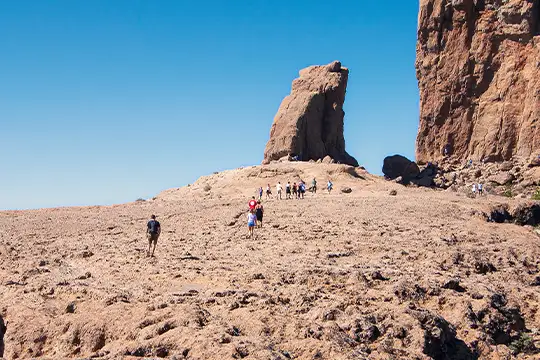
Roque Nublo
A natural symbol of the island, Roque Nublo is one of Gran Canaria's most iconic landmarks, located in the heart of the interior and surrounded by spectacular views.
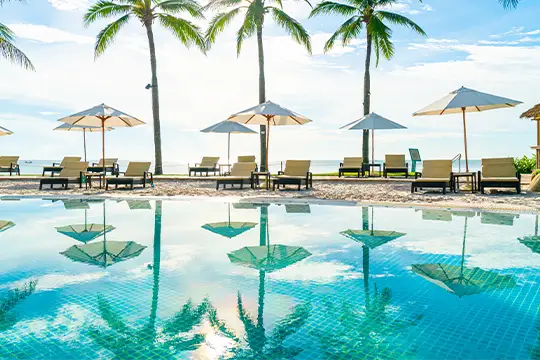
Maspalomas Dunes
A unique landscape in Europe, where the desert meets the ocean. The Maspalomas dunes are one of the most visited and photographed places in Gran Canaria.

Vegueta, historic center of Las Palmas
The Vegueta neighborhood represents the historical and cultural heart of the capital, with colonial buildings, museums and squares rich in history.
Bandama Caldera
A huge volcanic crater that's easy to visit, perfect for understanding the island's geological origins and admiring spectacular panoramic views.

Guayadeque Ravine
One of the most fascinating gorges on the island, famous for its cave dwellings, archaeological sites, and authentic inland atmosphere.
Teror and the historic villages
Teror is one of the most characteristic villages in Gran Canaria, known for its traditional architecture and strong ties to the island's religious and cultural traditions.

Don't miss ...
Latest blog posts about Gran Canaria
On our blog, you'll find up-to-date guides, practical advice, and useful insights to help you plan your trip to Tenerife. From the most beautiful beaches to unmissable excursions, from the climate to where to stay, we share content designed to help you experience the island in a thoughtful and authentic way.

How much does a vacation to Gran Canaria cost in 2026? Average prices, accommodations, and expenses
For a vacation in Gran Canaria, the cost varies mainly based on the area, accommodation category, time of year, and whether you need to rent a car. Accommodation prices vary significantly between Las Canteras, Playa del Inglés, Maspalomas, and Meloneras: choosing the right place to stay can impact your budget more than many daily expenses.

Gran Canaria Carnival 2026: Dates, Program, and Location
The 2026 Gran Canaria Carnival is one of the most important winter events in the Canary Islands and takes place between February and March, with different dates in Las Palmas and Maspalomas. This article explains when the main events are held, what to expect from the Drag Queen Gala, the Gran Cabalgata, and the Carnival finale, and how to choose the right venue for your desired experience. A practical and straightforward account, based on the experiences of those who experience it every year on the island.
Frequently Asked Questions about Gran Canaria (FAQ)
What type of traveler is Gran Canaria suitable for?
Gran Canaria is an extremely versatile destination: ideal for families, couples, groups of friends, active travelers, and even those seeking relaxation. The island offers well-equipped beaches, nature, historic cities, nightlife, and high-end tourist services.
When is the best time to go to Gran Canaria?
Gran Canaria is perfect year-round thanks to its mild climate. Winter is ideal for those who want to escape the European cold, while spring and autumn are perfect for hiking and sightseeing. Summer is especially popular in the south of the island.
What is the difference between the north and south of Gran Canaria?
The south of Gran Canaria is drier, sunnier, and more touristy, with resorts like Maspalomas, Playa del Inglés, and Puerto Rico. The north is greener and cooler, with cities like Las Palmas and natural landscapes ideal for those seeking a more authentic atmosphere.
Is Gran Canaria better than Tenerife?
It depends on the type of trip. Gran Canaria is ideal for those seeking a variety of landscapes, golden beaches, nightlife, and comprehensive services. Tenerife is better for those who love large volcanoes and contrasting climates. Both are excellent, but with different personalities.
What are the most beautiful beaches in Gran Canaria?
It depends on the type of trip. Gran Canaria is ideal for those seeking a variety of landscapes, golden beaches, nightlife, and comprehensive services. Tenerife is better for those who love large volcanoes and contrasting climates. Both are excellent, but with different personalities.
What are the must-sees in Gran Canaria?
Must-sees include the Maspalomas Dunes, Roque Nublo, the historic center of Vegueta in Las Palmas, the Caldera de Bandama, Teror, and the Barranco de Guayadeque. These places reflect the island's natural and cultural soul.
What to do in Gran Canaria besides the sea?
Besides the sea, in Gran Canaria you can go trekking, inland excursions, dolphin watching, water sports, visit historic villages, go shopping and experience the nightlife, especially in the south of the island.
Is Gran Canaria a gay-friendly destination?
Yes, Gran Canaria is one of Europe's most important gay-friendly destinations. The Yumbo Centre in Playa del Inglés is the heart of the LGBTQ+ scene, and the island hosts international events like Gay Pride.
Do you need a car to get around Gran Canaria?
Renting a car is highly recommended for exploring the island freely, especially if you want to visit the hinterland and less touristy areas. However, the main towns are also well connected by public transport.
How long does it take to visit Gran Canaria?
For a first visit, at least 5–7 days are recommended, allowing you to explore the beaches, cities, and some inland areas. 10–14 days is a more comprehensive and relaxed way to explore the island.
And finally….
Discover the other Canary Islands too
If you're considering which Canary Island to choose for your trip, besides Gran Canaria, there are some destinations that deserve special attention for their characteristics, climate, and experiences.
The largest island of the Canaries, famous for Mount Teide, the variety of landscapes and numerous excursions.
Ideal for those who love endless beaches, relaxation and water sports such as surfing and kitesurfing
A unique island for its volcanic landscapes, the art of César Manrique, and black beaches.