
National Parks of the Canary Islands
Le Canary Islands The Canary Islands are a paradise for nature lovers, thanks to their spectacular national parks, which offer breathtaking landscapes, unique biodiversity, and opportunities for hiking, birdwatching, and outdoor activities. From the majestic volcanoes of Teide National Park in Tenerife to the laurisilva forests of Garajonay on La Gomera, the Canary Islands' national parks are a must-see destination for those seeking adventure and a connection with nature.
Here you are…
Why Visiting the Canary Islands National Parks Will Change Your Life!
The Canary Islands' national parks are among the most extraordinary in Europe, thanks to their geological and biological diversity. These parks protect active volcanoes, ancient forests, sand dunes, and endemic species, offering a unique experience for hikers, photographers, and nature lovers. The Canary Islands' subtropical climate, with average temperatures between 20°C and 28°C year-round, makes the parks accessible in every season, perfect for both a winter getaway and a summer adventure.
Each national park tells a different story:
- Teide enchants with its lunar landscapes
- Timanfaya amazes with its lava fields
- Garajonay transports you to an ancient forest
- The Caldera de Taburiente offers spectacular gorges and waterfalls
In this comprehensive guide, we'll explore the four main national parks—Teide, Timanfaya, Garajonay, and Caldera de Taburiente—along with other protected areas, with practical tips for planning your Canary Island park activities in Tenerife, Gran Canaria, Lanzarote, Fuerteventura, La Palma, La Gomera, and El Hierro. Get ready to discover the most authentic Canary Island nature!
The 4 National Parks of the Canary Islands: Activities, What to Do, and What to See
The Canary Islands are home to four extraordinary National Parks, each located on a different island and boasting unique natural landscapes. These protected environments offer unforgettable experiences amid active volcanoes, prehistoric forests, gigantic craters, and lunar panoramas. Let's explore them in detail, with useful information on what to see, how to get there, and what to do.
Teide National Park (Tenerife)
Teide National Park is the most famous in the Canary Islands and one of Spain's iconic landmarks. Dominated by the Teide volcano (3,718 m), the country's highest point and a UNESCO World Heritage Site, this park offers spectacular volcanic landscapes, some of the clearest starry skies in the world, and unique biodiversity.
What to see and do on Teide
Trekking for all levels
From easy trails like Roques de García (scenic and suitable for families) to climbing to the summit of Teide (permit required, starting from the Altavista Refuge or cable car station).
Teide Cable Car
In a few minutes it takes you to 3,555 meters, from where short panoramic routes start towards the Mirador de La Rambleta and Pico Viejo.
Astrotourism
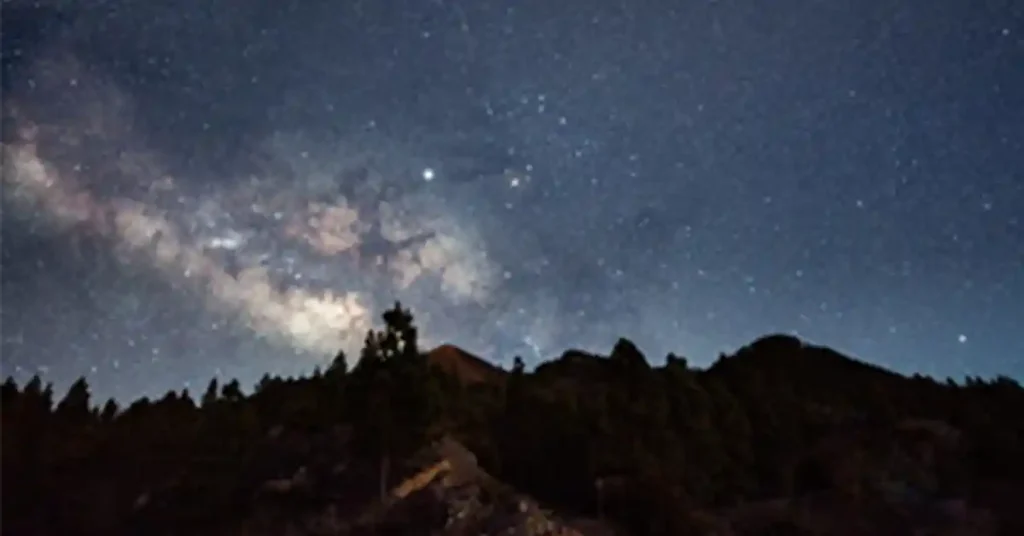
Nights on Teide are perfect for observing the Milky Way. Guided tours and photo sessions are available at the main viewpoints.
Endemic flora and fauna
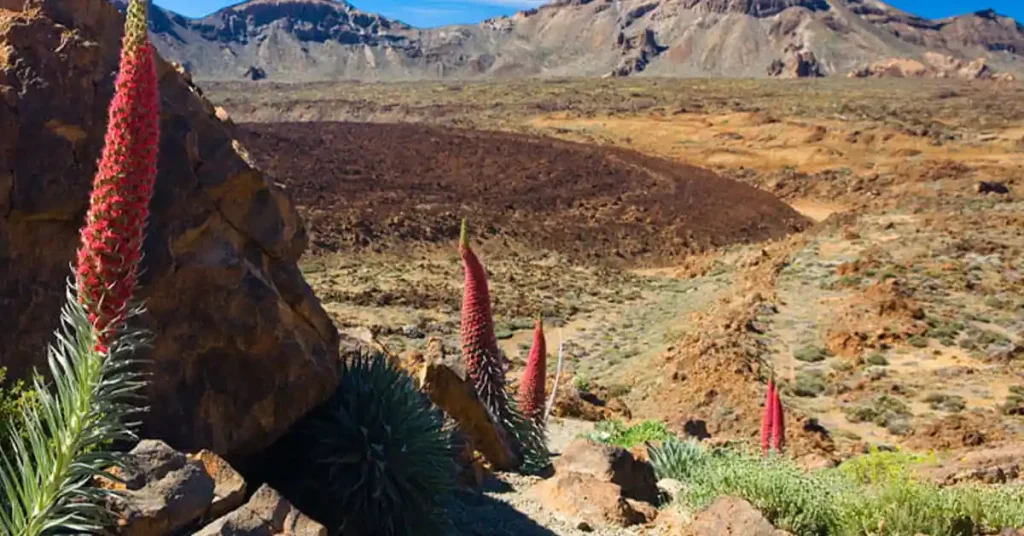
Species such as the red Teide viper's foot and the Teide violet flourish among the lava rocks and ochre-colored sands.
Teide Map
Helpful Tips
How to get there: access via TF-21 and TF-24, with parking and bus connections.
Best time: spring for blooms, summer and winter for clear skies.
Suggestion: Book the cable car online and bring warm clothing, even in summer.
Useful Info
Surface: approximately 18,990 hectares (189.9 km²
Maximum altitudePico del Teide reaches 3,718 m, and is the highest active volcano in Spain.
Official opening hours and information: the official website is that of the Spanish Ministry of the Environment (mildew)
Please note: the Teide cable car requires advance reservations to reach the summit.
Timanfaya National Park (Lanzarote)
Timanfaya National Park is a true open-air geological laboratory. Eruptions between 1730 and 1736 created black lava fields, smoking craters, and a unique volcanic landscape that attracts geologists, photographers, and travelers from around the world.
What to see and do in Timanfaya
Route of the Volcanoes
Panoramic bus tour (mandatory) among volcanic cones and spectacular lava flows.
Geothermal demonstrations
Rangers demonstrate how heat from underground causes geysers to erupt and cook food directly from the earth's heat.
Guided trekking
Itineraries such as the Ruta de Tremesana (reservations required) allow you to experience the park on foot, accompanied by expert guides.
Photographic landscapes
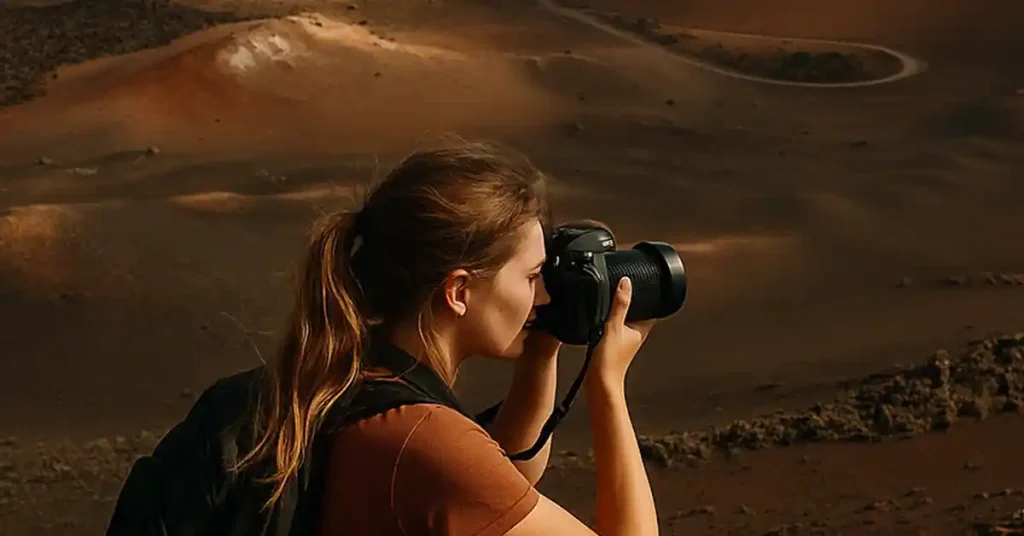
Colors ranging from black to red, perfect for unique shots.
Timanfaya Map
Helpful Tips
How to get there: main access via LZ-67, between Yaiza and Tinajo.
Best time: all year round, thanks to Lanzarote's mild climate.
SuggestionBook in advance, bring water and sunscreen: the park is dry and lacks shade.
Useful Info
Surface: approximately 50 km²
Maximum altitudeNo tall volcanoes emerge. The landscape is dominated by lava cones and flows.
Opening hours:
– All year round: 9:00 am to 5:45 pm, with last visit at approximately 5:00 pm.
-In summer (July 15 – September 15): extended opening hours until 6.45pm, last visit around 6pm
Official website: managed by CACT Lanzarote (Centre of Art, Culture and Tourism)
Garajonay National Park (La Gomera)
Garajonay National Park, a UNESCO World Heritage Site, is a journey into prehistory. Its laurisilva forest is a relic of the Tertiary era, preserved in only a few places in the world. Mists, mosses, and ancient trees create a fairytale atmosphere that captivates every visitor.
What to see and do in Garajonay
Hiking trails
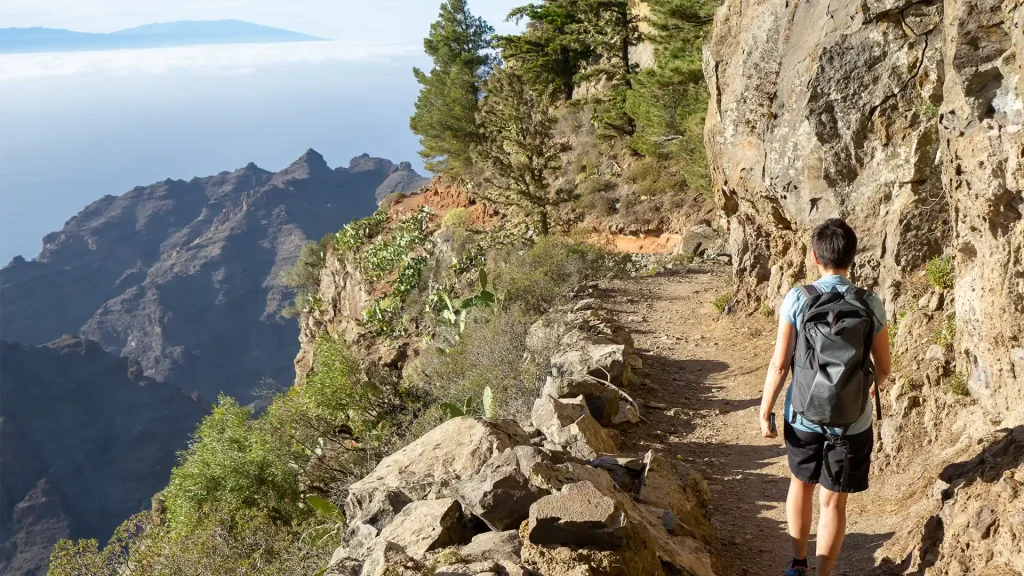
Over 600 km of marked trails, such as the one leading to Alto de Garajonay (1,487 m) with panoramic views of the island.
Endemic flora and fauna
Rare plants and birds such as the laurisilva pigeon.
Culture and traditions
Discover Silbo Gomero, the whistled language that is the island's cultural heritage.
Rest areas
Picnic areas surrounded by greenery for a relaxing experience.
Garajonay Map
Helpful Tips
How to get there: access from San Sebastián or Valle Gran Rey via GM-2.
Best time: all year round; the characteristic fog creates magical landscapes even in summer.
Suggestion: Wear waterproof shoes, the forest can be wet and slippery.
Useful Info
Surface: approximately 3,984 hectares (approximately 39.8 km²)
Maximum altitude: Mount Garajonay reaches 1,484 m
Opening hours:
– “Juego de Bolas” Center open every day (except December 25th and January 1st) from 9:30 am to 4:30 pm
Access to the park: Generally free, and the trails are open 24 hours
Caldera de Taburiente National Park (La Palma)
Caldera de Taburiente National Park is a huge volcanic basin (8 km in diameter) home to Canarian pine forests, streams, and multicolored waterfalls. It is a favorite destination for trekking and astronomy enthusiasts.
What to see and do in Caldera
Excursions in the caldera
Trails starting from the Barranco de Las Angustias or the Los Llanos visitor center, with routes suitable for various levels.
Roque de los Muchachos
The highest point on the island (2,426 m) with astronomical observatories and views of the ocean and other islands.
Waterfall of Colors
A natural phenomenon due to the minerals that color the rock in a thousand shades.
Unique fauna and flora:
Fire-resistant pines and birds of prey such as Eleonora's falcon.
Map of the Caldera de Taburiente
Helpful Tips
How to get there: access from Santa Cruz and Los Llanos, by bus and car.
Best time: spring and autumn, ideal climate for trekking.
Suggestion: bring hiking boots, water and always check the weather forecast.
Useful Info
Surface: approximately 4,690 hectares (46.9 km²)
Maximum altitudeNot directly indicated, but the territory includes a deep crater (up to 1.5 km) and areas above 2,000 m on Roque de los Muchachos. The visitor center is located at a lower altitude.
Visitor Center:
It is located in El Paso City along LP-3, with ample parking and bus access.
General park hours: accessible 24 hours a day; the El Paso Visitor Center has specific hours depending on the season (not clearly stated, so best to check on the official website) MITECO)
National Parks and Sustainability in the Canary Islands
The Canary Islands' national parks are fragile ecosystems. Choose tour operators that adopt sustainable practices, such as electric vehicles or certified guides. Participate in conservation initiatives, such as cleanup days, to help protect the Canary Islands' nature.
LAST MINUTE CANARY TRAVEL OFFERS?
Unique Experiences in National Parks
The Canary Islands National Parks offer unforgettable experiences:
Astrotourism
Stargaze at Teide or Caldera de Taburiente with guided tours.
Biodiversity
Discover endemic species such as the red viper's snake (Teide) or the laurisilva pigeon (Garajonay).
Culture
Visits to Garajonay include the unique Gomeran language, Silbo Gomero.
Photograph
The lunar landscapes of Timanfaya and the forests of Garajonay are perfect for photographers.
Tips for Visiting
the National Parks of the Canary Islands
To make the most of the Canary Islands' national parks, follow these tips:
1
Choose the right activity
Families? Opt for easy trails like Roques de García.
Experienced hikers? Try the Caldera de Taburiente
Lovers of culture? Visit Garajonay.
2
Equipment
Bring hiking boots, sunscreen, a hat, water, and layered clothing, as temperatures vary at altitude.
5
Respect the environment
Do not collect plants or rocks and follow the marked trails to preserve biodiversity.
FAQ :
Answers to frequently asked questions about the Canary Islands National Parks
What are the national parks in the Canary Islands?
The Canary Islands' national parks are Teide (Tenerife), Timanfaya (Lanzarote), Garajonay (La Gomera), and Caldera de Taburiente (La Palma). They offer trekking, astrotourism, and unique biodiversity.
What is the best national park for trekking?
Hiking in the Canary Islands is spectacular in all the parks. Mount Teide (Tenerife) offers iconic trails like Roques de García, while the Caldera de Taburiente (La Palma) is ideal for experienced hikers. Book online. Excursions to the Canary Islands .
Are there family-friendly activities in the Canary Islands' national parks?
Yes, easy trails like Roques de García (Teide) or bus tours to Timanfaya are perfect for families.
Is a permit required to visit the Canary Islands' national parks?
Yes, the summit of Teide and some areas of Timanfaya require permits. Book them in advance with our travel agency
What is the best time to visit the Canary Islands' national parks?
The Canary Islands' national parks can be visited year-round. Spring and autumn are ideal for trekking, while summer is perfect for astrotourism.
Can I do astrotourism in the Canary Islands' national parks?
Yes, Teide (Tenerife) and Caldera de Taburiente (La Palma) are among the best places in the world for stargazing. Discover tours at todacanarias.it/attivita.
Are the Canary Islands' national parks safe to visit?
Don't miss ...
The latest articles on our blog related to the national parks of the Canary Islands

What sports are played in the Canary Islands?
Think the Canary Islands are just beaches, sun, and relaxation? In 2026, the archipelago confirmed its position as the number one destination.

Movida Canarias: Nightlife, clubs and parties
Explore the nightlife in the Canaries with the guide to clubs, nightclubs, discos and parties for Italians! Discover life

Surfing in Fuerteventura: why Playa El Hierro is a must-see destination for wave lovers
There are places that you do not forget. Beaches where the wind blows the right way, the sea dictates the rhythm
But
Now that you've explored the Canary Islands' national parks, why not delve deeper?
We have prepared a comprehensive guide to the Canary Islands for our users and customers. Take advantage of it, it's free!
Don't miss the opportunity to plan your perfect National Parks tour with the only Italian travel agency based in the Canary Islands. Click below to plan your trip without surprises and at the best price!
Who Are We?
We are Toda Canarias and we deal with Travel, Tourism, Excursions and Marketing in the Canaries.
Travel Agency
We are the travel agency of reference for Italians wishing to visit the Canary Islands.
Where are we?
Are you already in the Canaries and want to know how to reach us to book your holiday in the Canaries?
Tenerife Office
Our Travel Agency, Toda Canarias, is located in the south of Tenerife exactly on Avenida de Colon Costa Adeje.
- Avenida de Colón, C.C. Agua marina, 5 - Local 12C. 38660. SANTA CRUZ DE TENERIFE
You might also be interested in these services of ours
Travel agency
We have spent years personally discovering all 8 Canary Islands. Now, thanks to our experience, we can organise any trip to the client's liking.
Real Estate Agency
Over the last few years we have sold several properties thanks mainly to our staff. Today we have an in-house agency and a space dedicated only to professionals.
Advertising and marketing
This was our core business, to give visibility to others first and foremost, but when results come for oneself as well, the need becomes to grow and expand.


