Have you ever wondered What do they eat in the Canary Islands? during a holiday in the archipelago? The Canary Islands are not only a paradise of golden beaches and majestic volcanoes, but also a destination that delights the palate with a native cuisine rich in unique flavors. From the dishes of fresh fish to the peasant specialties, Canarian gastronomy reflects an irresistible mix of Spanish, African and South American traditions. In this article, we will explore the typical dishes of the Canary Islands., We'll guide you through the delights to try during your holiday in the Spanish archipelago and share a curious anecdote to pique your curiosity. Get ready to discover what they eat in the Canary Islands and make room in your suitcase for a few recipes to take home!
Why is Canarian cuisine so special?
Canarian cuisine is a reflection of the history and geography of the archipelago. Located between Europe, Africa and America, The Canaries have absorbed different cultural influences, creating a simple yet surprising local gastronomy. For example, local ingredients like fresh fish, potatoes and The gofio (a toasted flour of indigenous origin) are the basis of many typical Canarian dishes. Furthermore, the mild climate year-round, with temperatures between 20-26°C, ensures a constant supply of fruit and vegetables, making every meal an explosion of freshness. But what are the dishes you absolutely must try? Let's find out step by step.
A mix of traditions
Canarian gastronomy draws inspiration from the Guanches, the ancient inhabitants of the archipelago, and from Spanish, African, and Latin American colonial influences. This mix creates unique flavors, like the mojo, a spicy or herbaceous sauce that accompanies almost every dish. While vacationing in the Canary Islands, tasting these dishes is like traveling through centuries of culinary history.
Freshness and simplicity
Canarian cuisine favors fresh and local ingredients. Fish caught at dawn (which you can buy in the fish markets near the ports), potatoes grown in volcanic soils and tropical fruit Bananas (Plátano de Canarias) and papaya are the main ingredients. This simplicity makes typical Canarian dishes accessible yet unforgettable, perfect for a dinner overlooking the ocean.
Key ingredients of Canarian cuisine
Before diving into the best traditional dishes of the Canary Islands, we need to know the main ingredients that define their flavors and tastes, making them unique and unmistakable, allowing you to have an unforgettable gastronomic experience:
- GofioA toasted corn or wheat flour, used in soups, doughs, or desserts. Symbol of the Guanches, it is nutritious and versatile.
- Mojo: An iconic salsa in green (cilantro or parsley) or red (chili pepper, paprika) versions. It adds character to any dish.
- Canarian potatoesSmall and tasty, often cooked in salted water for papas arrugadas.
- Fresh fishCherne, vieja and sama dominate the menus, thanks to the rich waters of the Atlantic.
- Tropical fruitLocal bananas, mangoes, and avocados are sweet and juicy, perfect for dessert or side dishes.
Typical Canarian dishes you absolutely must try!
Papas arrugadas con mojo
When you think about what the Canary Islands eat, the papas arrugadas sono inevitable. These small potatoes, cooked in salted water until they become "wrinkled" from the salt, I am served with mojo, an iconic sauce. Green mojo, made with coriander or parsley, is fresh and herbaceous, while red mojo, with chili pepper and paprika, is spicy and intense. For example, in a guachinche in Tenerife, papas arrugadas are a perfect starter (5-7 euros), often accompanied by a glass of Malvasia wine. Tradition has it that they were cooked in seawater by fishermen, a custom that gives them a unique flavor.
Gofio: The Legacy of the Guanches
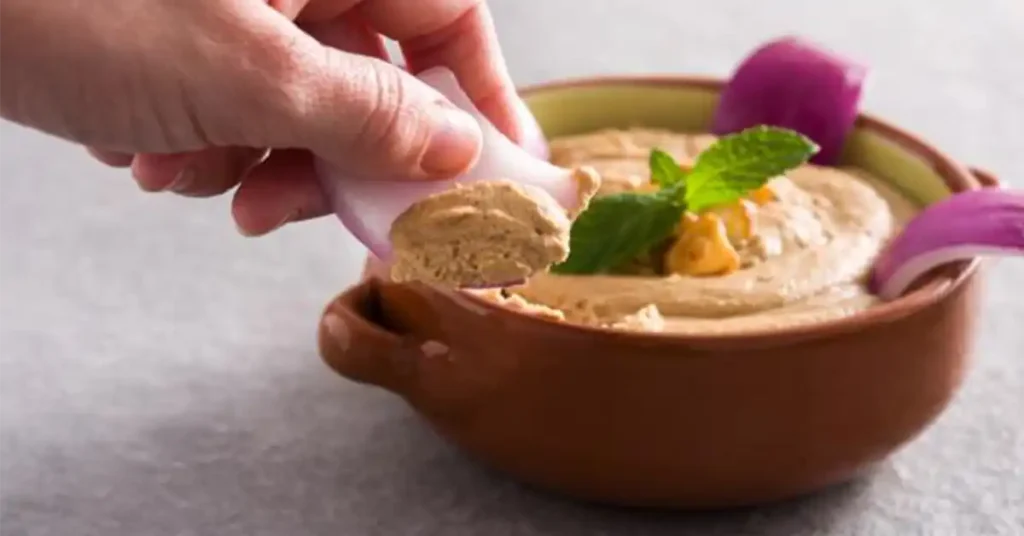
Escaldon de Gofio
Gofio is a pillar of Canarian gastronomya, a toasted corn or wheat flour used by the Guanches. Versatile, It is found in soups, doughs or desserts like the “Escaldón de Gofio”, a hot dish with fish broth. During the Canary Islands holidays, Also try gofio mixed with honey and bananas for an amazing dessert (3-5 euros in markets). It's a symbol of typical Canarian dishes, uniting past and present in every spoonful.
Fresh fish and sancocho
With the Atlantic Ocean at your fingertips, fresh fish is, without a doubt, the protagonist of what is eaten in the Canary Islands. Sancocho Canario is a simple but delicious dishSalted fish (often cherne or corvina) boiled with potatoes, served with mojo and gofio. Don't miss it. la vieja sancochada, a colorful fish with a delicate flavor, perfect for a sunset dinner (10-15 euros). At a restaurant in Puerto de la Cruz, sancocho with a sea view is an unmissable experience.
Ropa vieja e puchero canario
For lovers of land cuisine, ropa vieja is a stew robust made with meat (chicken or beef), chickpeas, potatoes and vegetables, created to reuse leftovers. The Canarian puchero, Instead, It is a thick soup with meat, legumes and vegetables, ideal after a day of trekking on Mount Teide. Both dishes, served in local taverns (8-12 euros), celebrate the rural tradition of Canarian cuisine.
Are you looking for a travel offer to the Canary Islands?
Contact us now via WhatsApp to receive a personalized quote!

What sweets and desserts are eaten in the Canary Islands?
Canarian cuisine satisfies even the most greedy palates with desserts that combine simplicity and flavor. Below we list four desserts not to be missed:
Bienmesabe and frangollo

The bienmesabe it's a delight sticky of almonds, sugar and egg yolks, often served with vanilla ice cream (€4-6). Frangollo, a creamy dessert made with cornmeal, milk, cinnamon, and raisins, is a classic in Tenerife's markets. Trying it fresh at a local market, for example, is a great way to understand why it's one of the most beloved Canarian dishes.
Truchas and quesillo
During the holidays, truchas (Sweet potato or pumpkin filled pastries) They are a must in Canarian cuisine. The quesillo, a soft and sweet flan, concludes meals with its velvety texture (3-5 euros). These desserts showcase the creativity of Canarian gastronomy with simple ingredients.
What to drink in the Canary Islands
Canarian cuisine is accompanied by beverages that enhance its flavors. It's worth noting that in recent years, the Canary Islands have been making a name for themselves for their excellent wines.
Local wines
I Canarian wines, grown on volcanic soils, they are exceptional. I white wines from Tenerife, such as Malvasia, they are fresh and fruity, perfect with fish. reds from Lanzarote, intense and mineral, pair well with meat. A tasting at a local winery (€10-20) is an experience not to be missed during your Canary Islands holiday.
Leche Leche, Barraquito and craft beer
If you're in the Canary Islands, you can't miss the famous "Leche Leche," a coffee with condensed milk, and barraquito, a coffee with condensed milk, liqueur, and cinnamon—a unique specialty (€2-4). Craft beers, like Dorada or Tropical, are refreshing and ideal with papas arrugadas (wrinkled potatoes). These drinks round out your list of Canary Island food.
Where to taste typical dishes of the Canary Islands
Guachinches
Guachinches are small traditional Canarian taverns., especially Tenerife. Here you will find a’authentic atmosphere and home-made dishes Such as carne a la brasa, papas arrugadas (wrinkled potatoes), and local cheeses, served at affordable prices ranging from 7 to 15 euros. These are simple yet warm places, where you can experience true Canarian gastronomic culture.
Restaurants
For those looking for a’more elegant experience, seaside restaurants offer fresh seafood dishes and local specialties in a picturesque setting. Places like Corralejo and Puerto de la Cruz are famous for their restaurants with panoramic ocean views, perfect for an unforgettable dinner.
Local markets
Immerse yourself in the colors and flavors of the Canary Islands by visiting the traditional markets. The Mercado de Nuestra Señora de África in Santa Cruz de Tenerife and Mercado de Teguise in Lanzarote They're ideal places to buy local products like gofio, mojo picón, and fresh fruit from the archipelago. A true gastronomic journey to experience Canarian culture in every bite.
Unique gastronomic experiences
Holidays in the Canary Islands with Food and Wine Tours
If you love good food and decide to visit the Canary Islands for your next beach holiday, we recommend planning a trip that includes a food tour. Start with a stay in Lanzarote for a tour of its beautiful wineries, then explore the food markets of Gran Canaria, and end the tour in Tenerife, where you can sample typical Canarian dishes at one of the many guachinche restaurants.
Holiday in the Canary Islands with a Gastronomic Tour?
At Toda Canarias, we'll organize your holiday with the best stays to savor the gastronomy of the Canary Islands.
A curious anecdote: the mystery of the lost mojo
In the 18th century, in Gran Canaria, A legendary chef created a red mojo so perfect it attracted travelers from far away.. When he refused to reveal the secret recipe, disappeared without a trace. Pirates looking for their seasoning or local jealousy? Even today, every Canarian family has its own unique version of the authentic mojo recipe, and tasting it is like trying to unravel that ancient mystery. This story makes Canarian gastronomy even more fascinating, don't you think? You have to try Mojo Canario at least once in your life!
Practical tips for a holiday exploring the local Canarian cuisine.
- Try the guachinchesLook for places frequented by locals, away from the more touristy areas, for an authentic and genuine experience.
- Book a food tourWith a tour, you can discover the best places and taste typical dishes without stress. You can do so now by contacting us at this number. +34 642 331 208
- Visit the markets in the morningIt's the best time to find fresh and typical products in the Canary Islands, such as exotic fruits and local cheeses.
- Ask the restaurateurs for advice: Don't hesitate to ask for recommendations on local dishes and wine pairings to enrich your experience.
- Be curiousCanarian cuisine is a mix of African, Latin American, and Mediterranean influences: explore without fear!
Plan your gastronomic trip with Toda Canarias
With the Toda Canarias Travel Agency, immersing yourself in Canarian cuisine is easy and unforgettable. Here are three ways to experience Canarian gastronomy:
- Tailor-made travel packages: Looking for a complete experience? Our travel offers combine flights, hotels, and food and wine tours to savor typical Canarian dishes.
- Guided food and wine tours: Explore guachinches, markets, and wineries on excursions that celebrate Canarian gastronomy. Perfect for sampling mojo and local wines.
- Hotels near local flavors: Choose hotels near markets or authentic restaurants, like the Bahía Príncipe in Tenerife.
👉 DON'T WAIT, CONTACT US TODAY AND GET THE BEST QUOTE FOR THE CANARY ISLANDS! 👈
In conclusion
What to eat in the Canary Islands is a journey through flavors, traditions, and stories. Canarian cuisine combines simplicity and richness, making a holiday in the Canary Islands a culinary experience. We at Toda Canarias wish you a pleasant trip. And before we say goodbye, we'd like to leave you with 5 answers to the questions our customers ask us!
Frequently asked questions about what people eat in the Canary Islands
Here are five common questions about Canarian cuisine, with helpful answers:
A meal at a guachinche costs 10-20 euros per person, with papas arrugadas (wrinkled potatoes) and fresh fish. Upscale restaurants run 30-50 euros.
Yes, try papas arrugadas, salads with local avocado, or vegetable soups. Markets offer vegetarian options. Recommendation: Always ask if the dishes are vegetarian before buying or ordering.
Many restaurants list allergens. Simple dishes like sancocho are often safe. To be on the safe side, always inform your restaurant staff and servers of any allergies you may have.
Yes, you can learn to cook typical Canary Island dishes. How? By working in a traditional restaurant or taking cooking classes in Tenerife or Gran Canaria where they teach you how to make mojo and gofio dishes.
Buy mojo, gofio, palm honey, or local cheeses at the markets (€5-15).