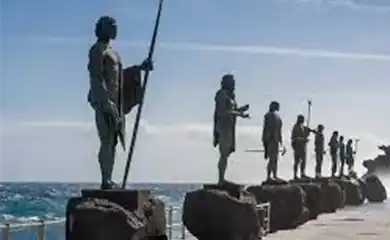
Art, Culture and Traditions of the Canary Islands

A Journey into the Traditions and Artistic Expression of the Canary Islands.

Not everyone knows that 

The Canary Islands are a mosaic of art, culture and traditions.

Le Canary Islands are a mosaic of art and culture, where Guanche traditions, Spanish influences and modern creativity merge into a unique heritage.

From the traditional dances of Tenerife to the colourful festivals of Gran Canaria, from the silbo gomero of La Gomera to the artistic legacy of César Manrique in Lanzarote, each island offers a vibrant cultural experience.

In this complete guide, we will explore the Canary traditions, local art, the genius of Manrique, the ancient roots of Canarian culture and cultural experiences on Tenerife, Gran Canaria, Lanzarote, Fuerteventura, La Palma, La Gomera and El Hierro.

While for an in-depth look at the flavours that complement the Canarian culture, read our article on the Canary Island gastronomy.

Mosaic art history and culture

Discover the Canarian cultural heritage and plan an immersive holiday!

But 

Why Explore Canary Island Art and Culture?

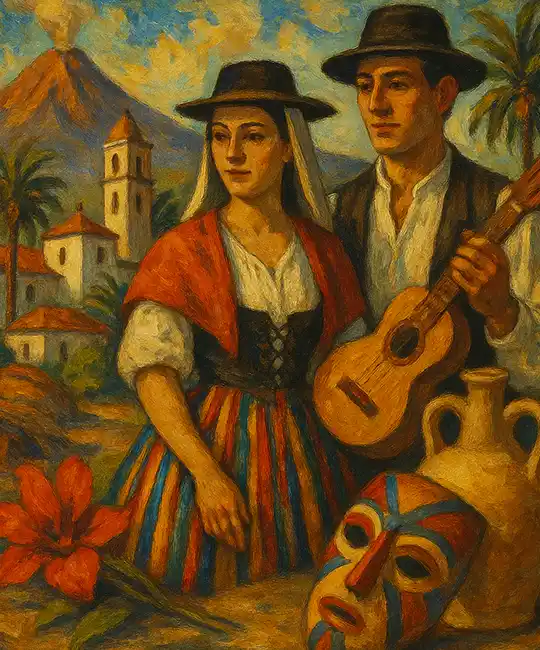
Le Canary Islands boast a rich culture, shaped by centuries of Guanche history, Spanish colonisation and global influences. Canarian culture is expressed through lively festivals, traditional music, crafts and artwork celebrating the archipelago's unique nature.

Art, in particular, is a fundamental pillar, with iconic contributions such as those of César Manrique, which has transformed Lanzarote into a masterpiece of harmony between man and nature.

The climate subtropical (20-28°C all year round) makes for cultural visits, from open-air festivals to art workshops, pleasant in any season.

This guide will take you through Canarian traditions, local art, Manrique's legacy, historical roots and cultural experiences, with practical tips for experiencing the archipelago in an authentic way.

We begin the journey of discovery of:

Canarian Culture and its Ancient Roots

Canary Island culture has its origins in a rich and complex past, which ranges from the Guanches, the indigenous people, to the Spanish conquest, to the influences of explorers such as Christopher Columbus and Italian merchants. These roots continue to influence the cultural identity of the archipelago.

The Roots of Guanches: The Ancient Soul of the Canaries

Canarian culture has its roots in the Guanches, the Berber people who inhabited the archipelago before the Spanish conquest. The Guanches lived in caves, such as those of Belmaco in La Palma, and left cave paintings and mummies, which can be seen in the Museo Canario in Gran Canaria. Their legacy survives in handicrafts, such as the ceramics of Gáldar, and in festivals such as the Fiesta de los Aborigenes, which re-enacts ancient dances and rituals. Visit the Cenobio de Valerón in Gran Canaria to admire the granaries carved into the rock, evidence of their social organisation.

The Spanish Conquest: A New Cultural Identity

The Spanish conquest (1402-1496) transformed the culture of the Canary Islands, introducing Christianity and colonial architecture. In Tenerife, the Battle of Acentejo marked the Guanche resistance, while in Gran Canaria villages such as Vegueta, with the Santa Ana Cathedral, were born. Spanish culture merged with the indigenous one, giving rise to traditions such as the Bajada de la Virgen del Pino in Teror. Explore San Cristóbal de La Laguna, a UNESCO World Heritage Site, to immerse yourself in this historical period.

Christopher Columbus and the Role of the Canary Islands

The Canary Islands were a crucial point for Christopher Columbus, who stopped over in the archipelago during his 1492 voyage to the Americas. In Gran Canaria, Columbus repaired his ship Pinta, while in La Gomera he stocked up on water and provisions and prayed in the Church of the Assumption. The Casa de Colón in Las Palmas, a museum dedicated to the Genoese navigator, preserves maps and diaries narrating his passage. This link with Columbus underlines the importance of the Canary Islands as a bridge between Europe and the New World, a role that also attracted Italian merchants. Visit the museum to relive this epic adventure.

The Italian Influence in Canarian Culture

The ancient relationship between Italy and the Canary Islands is deep and fascinating. In the 14th century, the Genoese navigator Lanzarotto Malocello discovered Lanzarote, giving the island its name. Genoese and Venetian merchants, such as the Grimaldi and Spinola families, established trading bases in the Canaries, contributing to the sugar and wine trade and leaving traces in surnames, churches and palaces. In Garachico (Tenerife), the Fiesta de San Rocco celebrates the saint venerated by Italian immigrants, while the architecture of villages such as Teror reflects Italian influences. Discover these links at the Museo Casa de Colón, where documents testify to the role of Italians in Canarian culture.

We continue to discover the

Canary Island Traditions: A Living Heritage

1. Festivals and Celebrations Canary Islands

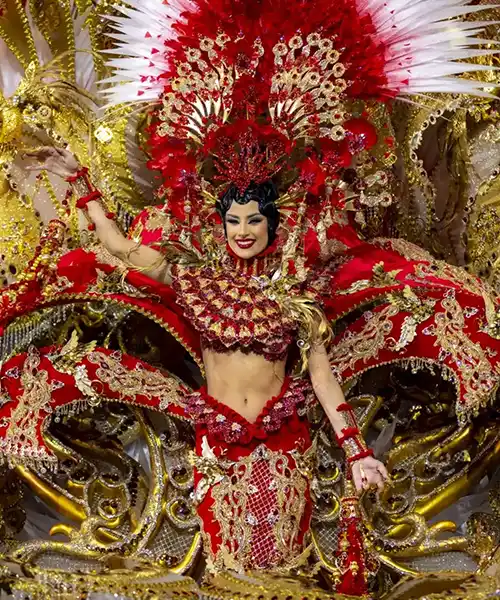
Carnival of Santa Cruz de Tenerife

One of the largest in the world, with parades, costumes and music attracting thousands of visitors. It is held in February-March.

Fiesta de la Virgen del Pino (Teror, Gran Canaria)

A religious celebration with processions, music and markets in September.

Bajada de la Virgen de las Nieves (La Palma)

Every five years, this festival combines faith, dancing and fireworks.

Fiesta de San Sebastián (La Gomera)

It honours its patron with traditional and religious events.

Fiestas and traditions: Carnival of Tenerife

2. Traditional Music and Dances

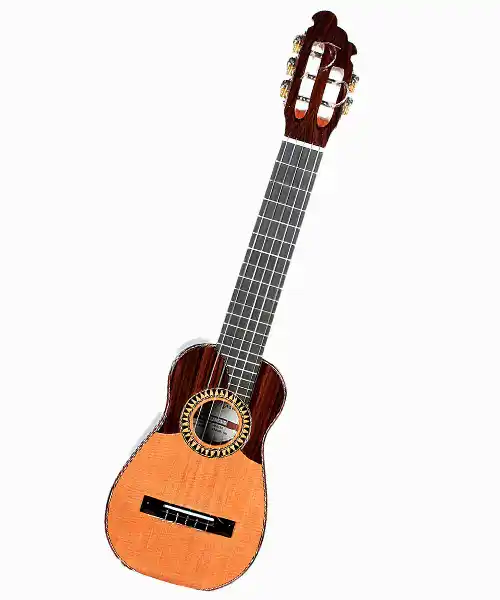
The Timple: musical instrument

A five-stringed instrument, a symbol of Canarian music, used in genres such as folía and isa. It can be heard at festivals in Tenerife and Gran Canaria.

Drum Dance (El Hierro)

A Guanche dance accompanied by drums, still practised in local festivals.

Malagueña Canaria

A melodic song typical of La Palma, often performed with the timple.

timble canario

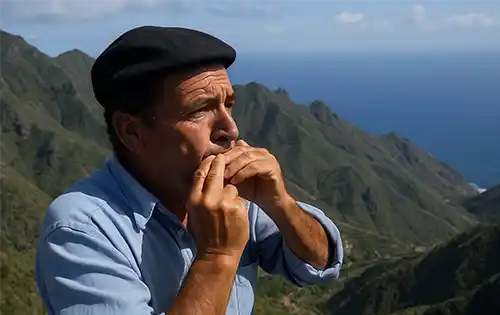
3. Silbo Gomero: The Whistled Language

The whistled language of La Gomera Island

The silbo gomero, a UNESCO heritage site, is a unique language of La Gomera that uses whistles to communicate over a distance. Still taught in schools, it is a symbol of Canarian culture. You can watch demonstrations in Valle Gran Rey or Hermigua.

Silbo Gomero

4. Traditional Crafts

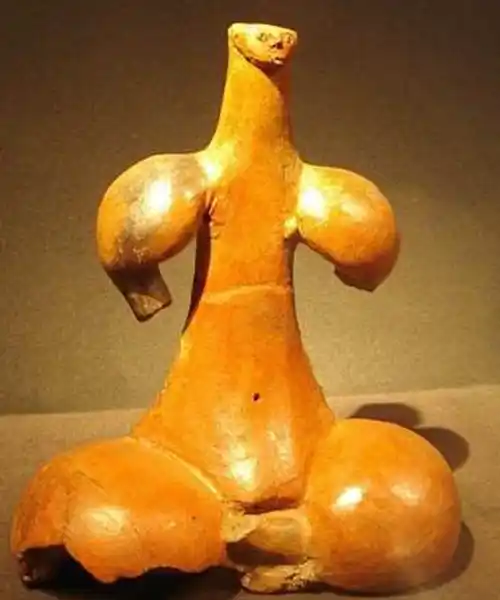
Guanche Ceramics

Native-inspired vases and decorative objects, produced in Tenerife and Gran Canaria.

Cestería (Cesteria)

Native-inspired vases and decorative objects, produced in Tenerife and Gran Canaria.

Embroidery and Fabrics

Lace work and colourful fabrics can be seen in the markets of Teror and La Orotava.

Guanche Ceramics

Contact us now via WhatsApp to organise an artistic and cultural tour of the Canary Islands

CANARY ISLANDS TRAVEL OFFERS 2025/2026

Book your Canary Islands holiday in advance and take advantage of summer/winter 2025/2026 offers

Now let us pause to explore the

Art in the Canary Islands: Tradition and Modernity

Canarian art ranges from Guanche painting and sculpture to modern architecture, with a strong connection to the volcanic nature of the archipelago. Each island contributes unique works.

Painting and Sculpture

Guanche Art

Guanche art:

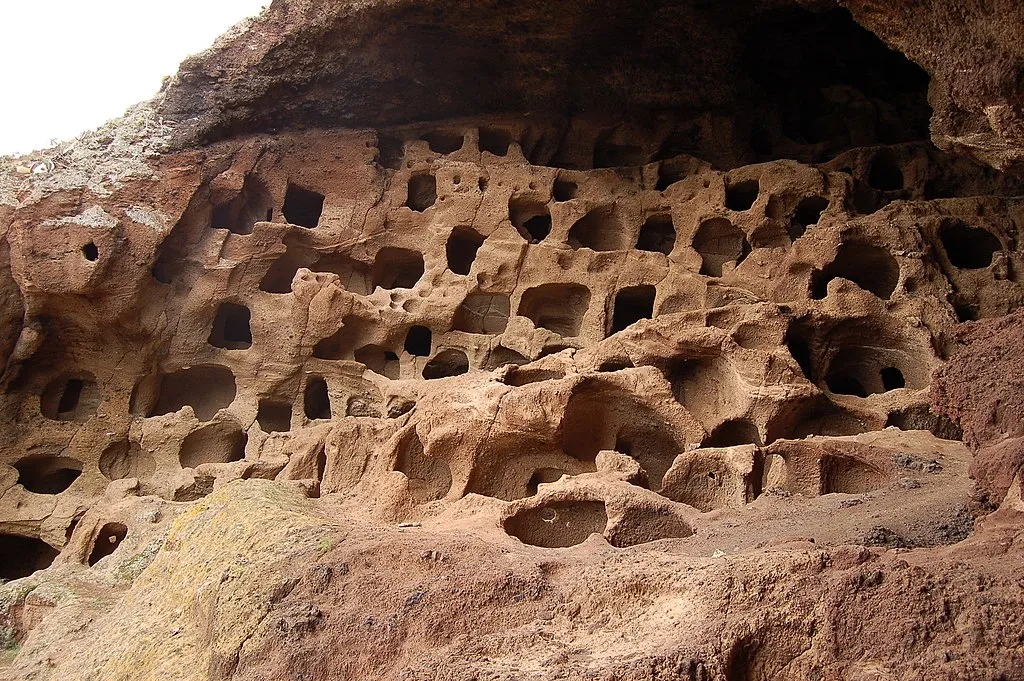
Petroglyphs and stone sculptures can be seen at sites such as the Cenobio de Valerón (Gran Canaria) or in museums in Tenerife.
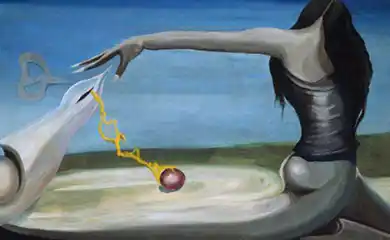
La Bola Roja - Obra de Oscar Dominguez Canarias

Modern Painting

Artists such as Óscar Domínguez (Tenerife surrealist) left their mark on the 20th century, with works exhibited at the TEA Tenerife Espacio de las Artes
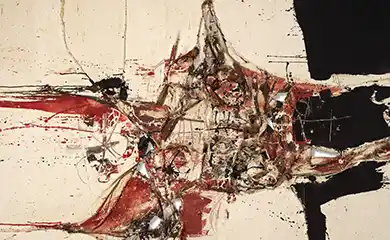
Art by Manolo Millares

Contemporary Sculptures

Works by local artists adorn squares and parks, such as the sculptures by Manolo Millares in Las Palmas.
Artistic Architecture

The Canarian architecture combines colonial and modern elements:

Cenobio de Valeron, Gran Canaria

Colonial houses:

Petroglyphs and stone sculptures can be seen at sites such as the Cenobio de Valerón (Gran Canaria) or in museums in Tenerife.
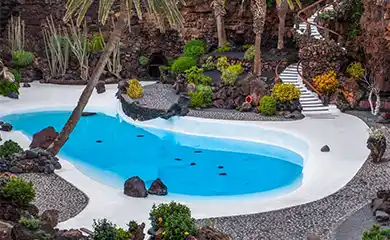
Jameo del Agua, Lanzarote Cesar Manrique

Works by César Manrique

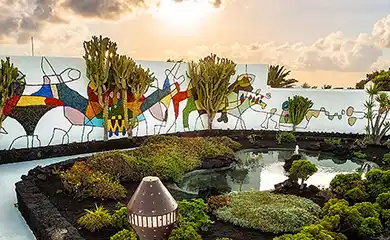
In Lanzarote, Manrique created spaces such as Jameos del Agua, integrating art and nature.
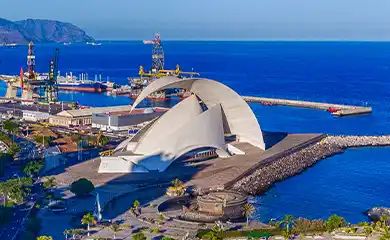
Tenerife Auditorium, Calatrava

Modern Buildings

Santiago Calatrava's Auditorio de Tenerife is a contemporary architectural icon.
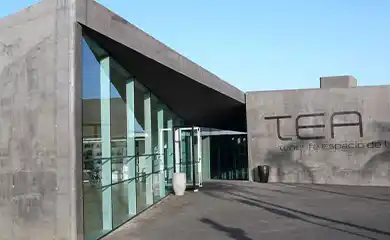
Art Museums

TEA Tenerife Espacio de las Artes (Santa Cruz)

TEA Tenerife Espacio de las Artes (Santa Cruz)

It hosts exhibitions of contemporary and surrealist art.
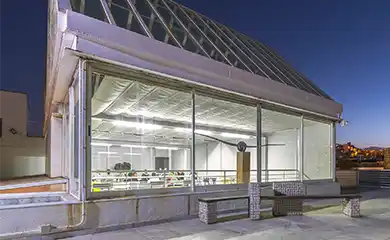
CAAM - Centro Atlántico de Arte Moderno (Las Palmas)

CAAM - Centro Atlántico de Arte Moderno (Las Palmas)

Dedicated to Canarian and international artists.
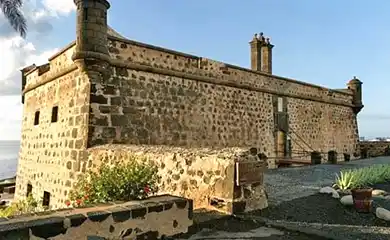
International Museum of Contemporary Art (Lanzarote)

International Museum of Contemporary Art (Lanzarote)

Located in the Castillo de San José, designed by Manrique.
Plan your Canary Islands cultural tour with no surprises!

Special attention deserves

César Manrique: The Artist Who Transformed Lanzarote

César Manrique: The Artist Who Transformed Lanzarote

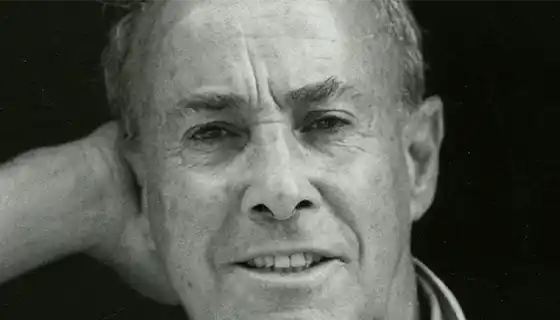
César Manrique (1919-1992) is the most influential Canarian artist, known for his ability to fuse art, architecture and nature. Born in Arrecife, Lanzarote, Manrique dedicated his life to preserving the cultural and environmental identity of the island, creating works that are now icons of Canary Island heritage.

Cesar Manrique

The Life of César Manrique

Manrique studied architecture and fine arts in Madrid and also lived in New York, where he was influenced by modern art. Returning to Lanzarote in the 1960s, he worked to protect the island from mass tourism, promoting sustainable development. His vision of harmony between man and nature is visible in each of his works.

The Impact of Manrique

Manrique not only created works of art, but also influenced Lanzarote's conservation policies, promoting traditional colours (white and green) and banning billboards. His legacy extends throughout the Canary Islands, inspiring artists and architects to respect the environment.

Manrique's Works

Fundacion Cesar Manrique

Fundación César Manrique (Tahíche)

His house-museum, built in a lava flow, is a masterpiece of organic architecture, with rooms carved into the rock and tropical gardens.
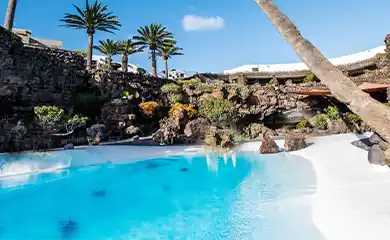
Jameo del Agua Lanzarote

Jameos del Agua (Lanzarote)

A cultural complex with underground lagoons, auditoriums and restaurants, created inside a volcanic tube.
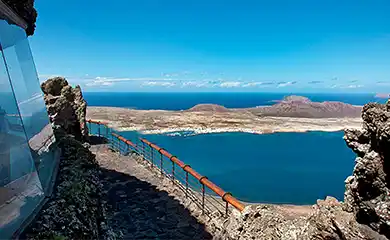
Mirador del Rio Lanzarote

Mirador del Río (Lanzarote)

A vantage point with views of La Graciosa, designed to blend in with the landscape.
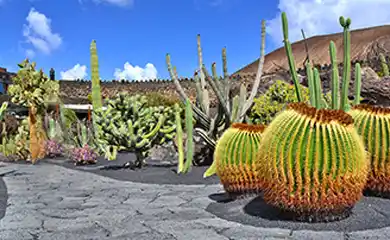
Jardin de Cactus Lanzarote

Jardín de Cactus (Guatiza)

A garden with over 4,500 cacti, an example of landscape art.

International Museum of Contemporary Art (Lanzarote)

International Museum of Contemporary Art (Arrecife)

Located in the Castillo de San José, it houses modern works in a historical context

Art and Culture by Island: A Journey to the Soul of the Canary Islands

Each island contributes to the Canarian cultural heritage with unique traditions and art. Below is a guide by island.

Tenerife: Vibrant Culture

Traditions

Carnival of Santa Cruz, dances with timple, handicrafts in La Orotava.

Art

TEA Tenerife Espacio de las Artes, Auditorio de Tenerife, paintings by Óscar Domínguez

Experiences

Join the Carnival or visit Guanche ceramics workshops

Gran Canaria: Cosmopolitan Traditions

Traditions

Fiesta de la Virgen del Pino, musica isa, cestería a Teror.

Art

CAAM, murals in Las Palmas, sculptures by Manolo Millares.

Experiences

Explore Vegueta or join a local painting class.

Lanzarote: Manrique's Legacy

Traditions

Wine festival in La Geria, popular dances in Teguise.

Art

Works by César Manrique (Jameos del Agua, Mirador del Río).

Experiences

Visit the Fundación César Manrique or the Jardín de Cactus.

Fuerteventura: Simplicity and Authenticity

Traditions

Fiesta del Queso, handicrafts in Betancuria.

Art

Modern sculptures in Puerto del Rosario, Guanche ceramics.

Experiences

Take part in a basket-making workshop or visit local murals.

The Palm: Nature and Tradition

Traditions

Bajada de la Virgen, Malaga Canaria.

Art

Mural paintings in Santa Cruz, handicrafts in Los Llanos.

Experiences

Experiences: Attend a timple concert or visit an embroidery workshop.

La Gomera: Silbo and Authenticity

Traditions

Silbo gomero, San Sebastián festival.

Art

Traditional ceramics, textiles in Hermigua.

Experiences

Learn silbo gomero or visit the Los Telares Ethnographic Park.

El Hierro: Guanche heritage

Traditions

Danza del Tamburo, Fiesta de la Virgen de los Reyes.

Art

Guanche petroglyphs, handicrafts in Valverde.

Experiences

Visit the Fundación César Manrique or the Jardín de Cactus.

FAQ:
We answer the most frequently asked questions
on the Art and Culture of the Canary Islands.

Canarian traditions include the Carnival of Tenerife, silbo gomero (La Gomera) and dances with timple.

César Manrique was an artist from Lanzarote who created works such as Jameos del Agua and Mirador del Río, promoting environmental conservation.

Museums such as TEA (Tenerife), CAAM (Gran Canaria) and the International Museum of Contemporary Art (Lanzarote) are not to be missed.

Yes, the Tenerife Carnival, Fiesta del Pino (Gran Canaria) and Bajada (La Palma) are iconic events. Plan at todacanarias.co.uk/offers.

Canarian art and culture can be enjoyed all year round. Spring and autumn offer mild climates and less crowding.

Yes, pottery, silbo gomero and embroidery workshops are available in Tenerife and La Gomera. 

The cuisine, with dishes such as papas arrugadas, is an integral part of the culture

But

now that you have explored the culture, art and traditions of the Canary Islands, why not go deeper?

We have prepared a comprehensive guide to the Canary Islands for our users and customers. Take advantage of it, it's free!

Who Are We?

We are Toda Canarias and we deal with Travel, Tourism, Excursions and Marketing in the Canaries.

Travel Agency

We are the travel agency of reference for Italians wishing to visit the Canary Islands.

377277219_850225170000101_6677010693377983689_n

Where are we?

Are you already in the Canaries and want to know how to reach us to book your holiday in the Canaries?

Tenerife Office

Our Travel Agency, Toda Canarias, is located in the south of Tenerife exactly on Avenida de Colon Costa Adeje.

Don't miss ...

Our Latest Blog Articles

Blog-Canary

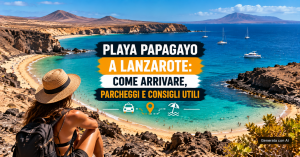
Which is the most beautiful Canary Island? Comparison by type of trip.

There's no Canary Island more beautiful than this. Tenerife is perfect for those seeking a varied holiday, Fuerteventura for those who love wide beaches, Lanzarote for its volcanic landscapes, and Gran Canaria for a combination of sea, city life, and amenities. La Palma, La Gomera, and El Hierro are all interesting options for nature, hiking, and tranquility.
Read more »
Blog-Canary

Tenerife for Young People: Nightlife, Beaches, and Best Areas

For a youthful trip to Tenerife, Playa de las Américas is the area to consider first if nightlife is your priority. Los Cristianos offers a better balance between beach and nightlife, Costa Adeje focuses more on beach clubs and services, while El Médano is best for sports, a casual atmosphere, and quieter evenings.
Read more »
Blog-Canary

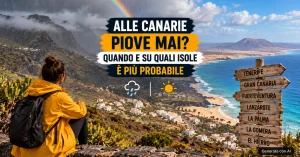
Does it ever rain in the Canary Islands? When and on which islands?

Yes, it rains in the Canary Islands, but the amount and frequency vary greatly between islands and even between areas of the same island. Lanzarote and Fuerteventura are very arid; Tenerife and Gran Canaria have marked differences between north and south; La Palma is rainier. The months with the highest probability of precipitation are especially autumn and winter.
Read more »
Blog-Canary

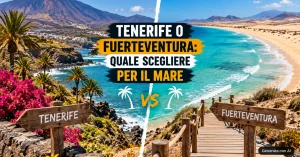
Tenerife or Fuerteventura: Which Island Is Better for the Sea?

If the sea is the main reason for your trip, I'd choose Fuerteventura for its long sandy beaches, open spaces, and almost entirely beach-based days. Tenerife is a better choice if you want comfortable, well-equipped beaches, more sheltered bays, and a holiday that combines beach life, restaurants, excursions, and other activities.
Read more »
Blog-Canary

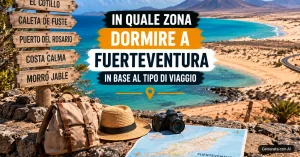
Where to stay in Fuerteventura based on your type of trip

Corralejo is the best choice for a first holiday and for those looking for services and nightlife; El Cotillo for tranquility and surfing; Caleta de Fuste for families and a central location; Costa Calma for resorts and wind sports; Morro Jable for those who prioritize long beaches and sea.

Read more »

You might also be interested in these services of ours

TRAVEL AGENCY IN THE CANARY ISLANDS

Travel agency

We have spent years personally discovering all 8 Canary Islands. Now, thanks to our experience, we can organise any trip to the client's liking.

real estate agency in the canaries

Real Estate Agency

Over the last few years we have sold several properties thanks mainly to our staff. Today we have an in-house agency and a space dedicated only to professionals.

ADVERTISING AND MARKETING IN THE CANARY ISLANDS

Advertising and marketing

This was our core business, to give visibility to others first and foremost, but when results come for oneself as well, the need becomes to grow and expand.

Toda Canarias logotype

Panoramica privacy

This website uses cookies so that we can provide you with the best user experience possible. Cookie information is stored in your browser and performs functions such as recognising you when you return to our website and helping our team to understand which sections of the website you find most interesting and useful.