Tenerife takes a stand against uncontrolled and environmentally harmful tourism, sending a clear message: stop irresponsible influencers. The island rebels against those who transform protected natural areas into photo shoots, ignoring the rules and respect for the environment. The Tenerife Cabildo has established a Digital Environmental Surveillance Unit, tasked with monitoring social media to identify and sanction illegal behavior in parks and protected areas. This measure, authorities say, is necessary to protect an increasingly pressured natural heritage.
The hidden face of virality: when a like costs too much
In recent years, Tenerife has seen a surge in visitors attracted by viral posts, reels, and videos showcasing "secret" spots on the island. However, much of this content hides an uncomfortable reality: dangerous and illegal actions, often done to gain online visibility.
Among the most striking cases, a video in the Teide National Park It shows a tourist lighting flares in an area where it's strictly forbidden. Another video shows young people lifting volcanic rocks like gym weights, completely ignoring the geological and environmental significance of the place.
The Chipeque Viewpoint, famous for its breathtaking views, has become a site of uncivilized behavior: tourists smoking near forested areas already affected by fires and drones flying unauthorized. Scenes so frequent that they no longer surprise, but they put fragile and precious ecosystems at risk.
The digital environmental police is born
The response of the institutions is clear and concrete. The Cabildo of Tenerife has created a Digital Environmental Surveillance Unit To identify online content that violates environmental regulations. Two dedicated technicians, supported by forestry officers and in collaboration with the Guardia Civil and the Canarian Police, will monitor TikTok, Instagram, YouTube, and other social media platforms to identify and document violations.
Among the punishable activities are:
- The use of drones in protected areas
- The collection of natural elements such as stones or plants
- Organizing illegal parties
- Illegal camping
- Driving outside of authorised tracks
- The simple act of spread these behaviors online
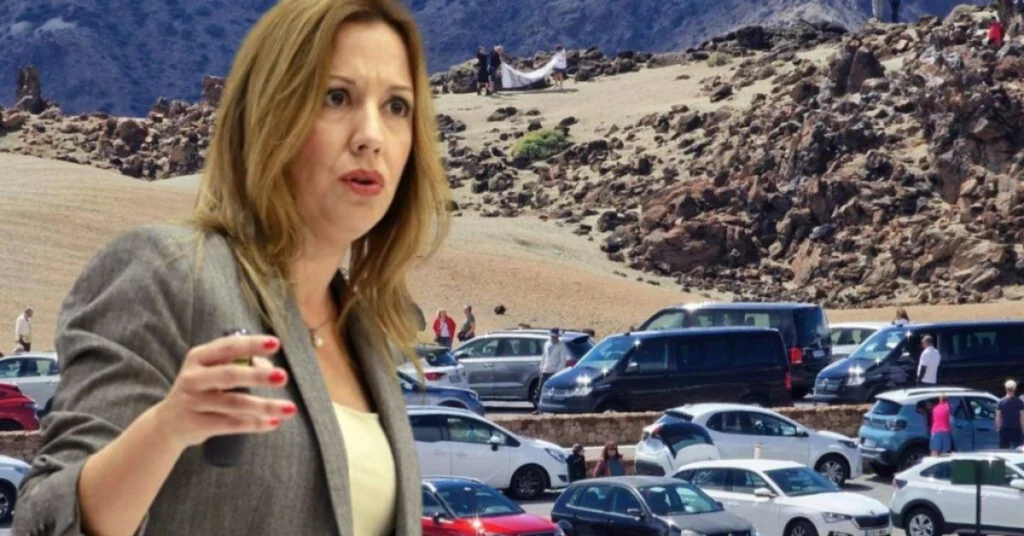
Fines range from 100 to 600,000 euros, depending on the severity of the violation. "Social networks cannot become free zones where anything goes," declared the president of the Cabildo, Rosa Davila, during a press conference.
@todacanarias Mirador de Chipeque, one of Tenerife's most viral views 🇮🇨. But when tourism becomes just social media… nature pays the price. Tenerife has said goodbye to influencers ❌ #todacanarias #isolecanary #news
♬ Original sound – Canary Islands | Toda Canarias
Stop irresponsible influencers: a strong message to tourists too.
The message that Tenerife wants to send is loud and clear: We are not a photographic set, we are a land to be respected. The initiative was welcomed by much of the local population, long tired of seeing their natural spaces transformed into overcrowded and damaged places.
According to Jaime Coello, spokesperson for the platform "Canarias tiene un Límite," "the island has turned into a product to be sold on Instagram, a place where anything goes to get a few more likes." But patience is running out. And it's not just a question of aesthetics or crowding: the whole of the island is at stake. future of the environmental heritage of the Canary Islands.
“"We cannot accept that a viral video becomes more important than the survival of our ecosystems," Rosa Dávila reiterated. And if this means fighting irresponsible influencers, then the fight will be tough, even online.
An example for other tourist destinations?
The action of the Cabildo of Tenerife could become a replicable model in other tourist destinations that suffer the consequences of digital overexposure. The key is not to demonize social media, but regulate the use of natural spaces and reward those who tell them with respect.
In an age where everything is shared, it's crucial that environmental awareness also goes viral. And perhaps, from an island that said... stop irresponsible influencers, a new way of travelling can begin: more ethical, more conscious, more sustainable.