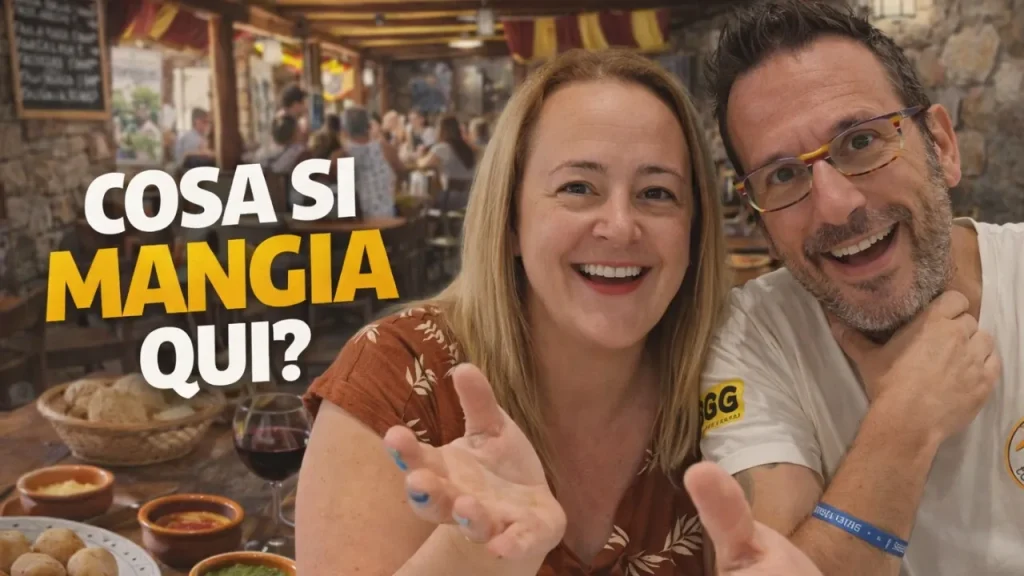
Many tourists arrive in the Canary Islands believing that local cuisine is limited to fish and chips and international buffets. Nothing could be further from the truth. Luca and Selvaggia, residents of the archipelago since 2014, guide us on a journey through the authentic flavors of these islands, revealing dishes rooted in the history of the Guanches and Latin American influences. If you want to understand the soul of the Canary Islands, you have to experience its cuisine.
Beyond Holiday Food: The True Canarian Identity
There Canarian gastronomy It's a reflection of its history: a bridge between Europe, Africa, and Latin America. Luca and Selvaggia explain that to eat "real Canarian" food, you have to leave the resorts and seek out local restaurants, like the famous Guachinches of Tenerife (small family-run establishments created to sell their own wine accompanied by home-made dishes).
In 2026, Canarian cuisine is experiencing a renaissance, with Michelin-starred chefs revisiting ancient ingredients, but the foundation remains the same: simplicity, quality ingredients, and bold flavors.
The “Musts” of the Canarian Table
If you're planning a trip or move, here are the products Luca and Selvaggia recommend you don't miss:
- Papas Arrugadas con Mojo: The symbol of the islands. Small potatoes cooked with their skins in very salty water, served with Green Mojo (based on coriander or parsley) and the Mojo Rojo (spicy, with pimentón).
- The Gofio: A direct legacy of the Guanche aboriginal people, it's a flour made from toasted grains (corn or wheat) used everywhere: from breakfast milk to stew (escaldón), to desserts. It's an energetic and distinctive superfood.
- Cheeses (Queso): The Canary Islands boast world-class cheeses. Majorero (Fuerteventura) and the Palmero (La Palma), often made from goat or sheep's milk, are absolute excellences.
- Local Fish: Beware the myth of salmon (which is imported). On the islands, they eat fresh ocean fish: Octopus (octopus), Atun (hook-caught bluefin tuna), Cherne (grouper) and the inevitable Lapas (limpets) on the grill.
Volcanic Wine: A Unique Territory in the World
The Canary Islands produce extraordinary wines thanks to their volcanic soils. Luca and Selvaggia emphasize the importance of the area. La Geria in Lanzarote and the hills of North Tenerife.
- Malvasia Volcánica: An ancient grape variety that produces aromatic and mineral white wines.
- Fruity Wines: Young and fragrant wines, perfect to accompany a lunch overlooking the ocean.
Local Tropical Fruit
Thanks to the privileged climate, the islands offer very fresh fruit all year round:
- Canary Plantain: The local banana, smaller and sweeter than the American one.
- Avocado and Mango: Grown mainly in the north of Tenerife and La Palma, they have a creaminess and flavour that is not found in European supermarkets.
Frequently Asked Questions about Canarian Cuisine
Where is the best food in the Canary Islands?
For the most authentic experience, Luca and Selvaggia recommend the North of Tenerife (La Orotava and Icod area) for the Guachinches, and the fishing villages along the coast (such as Las Galletas or Agaete) for fresh fish.
What is Gofio and why is it so important?
Gofio is toasted cereal flour. It's essential because it has remained unchanged for centuries, forming the basis of the Canarian diet since pre-Hispanic times. It's highly nutritious and versatile.
What is the most famous typical dish?
Without a doubt the Papas Arrugadas con Mojo. This is the dish you'll find on every single island, albeit with small variations in Mojo's recipes.
Is Canary Island wine expensive?
You'll find excellent value for money. Local wineries (bodegas) offer excellent wines at very competitive prices, often paired with local cheeses.